Therapeutic & Inclusive Play: Helping Children Explore Feelings Through Play
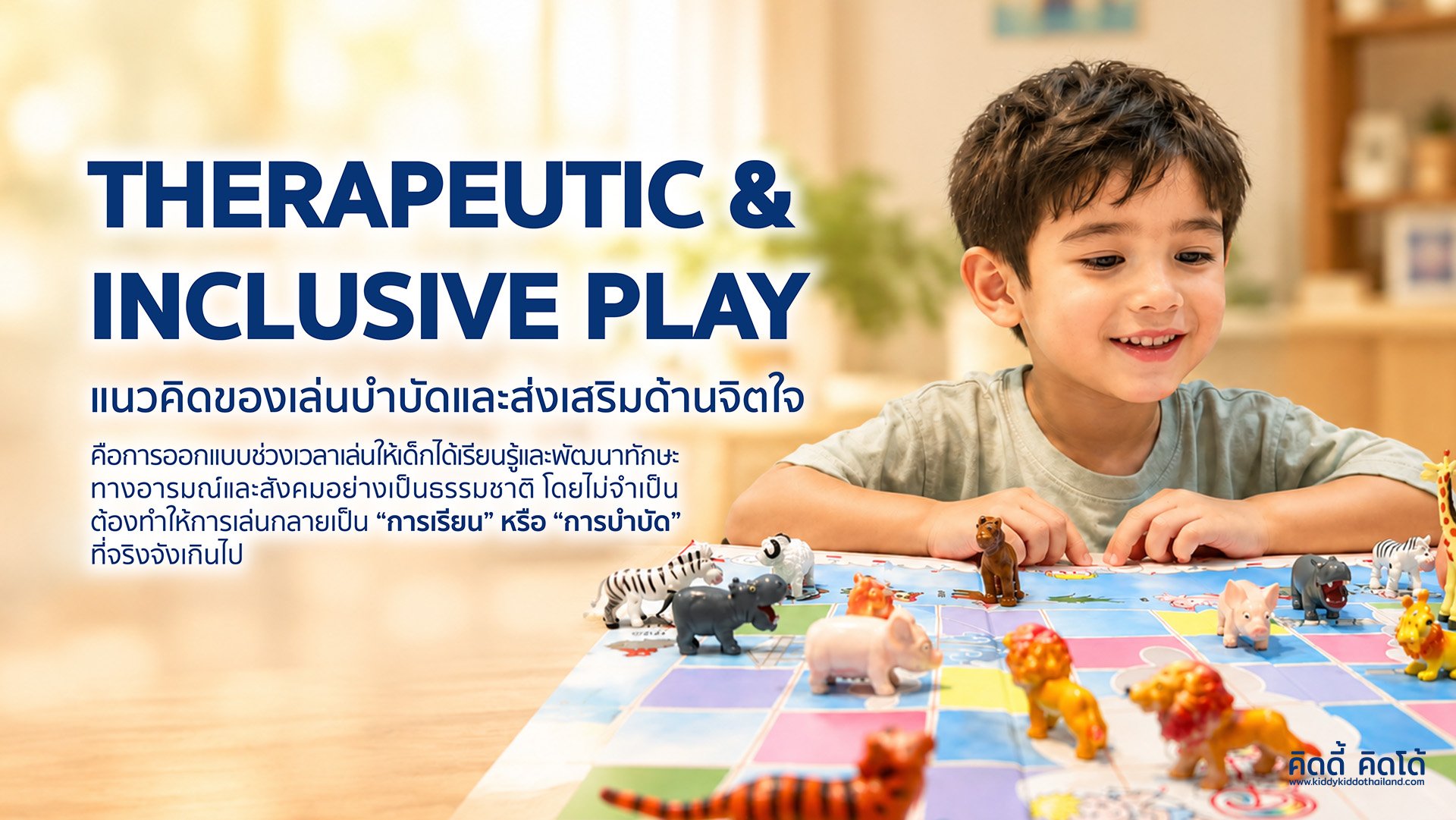
Therapeutic & Inclusive Play: Helping Children Explore Their Feelings Through Play
Play is one of the easiest ways for children to learn. Instead of simply listening, children can learn by doing, exploring, and experiencing things for themselves.
While playing, children can practice waiting, taking turns, following rules, and making decisions. They can also begin to understand their feelings when they win or lose.
For parents, even a short play session is an opportunity to observe their children, connect with them, and start conversations naturally without asking serious questions.
What Is Therapeutic & Inclusive Play?
Therapeutic & Inclusive Play views play as a safe space where children can learn about themselves and how to interact with others.
Suitable toys and activities can help children practice skills such as:
- Communication and social interaction
- Waiting and taking turns
- Decision-making and problem-solving
- Expressing emotions
- Accepting mistakes
- Building confidence
However, toys and board games do not replace professional treatment or therapy. They can support children's development and help families create meaningful moments together.
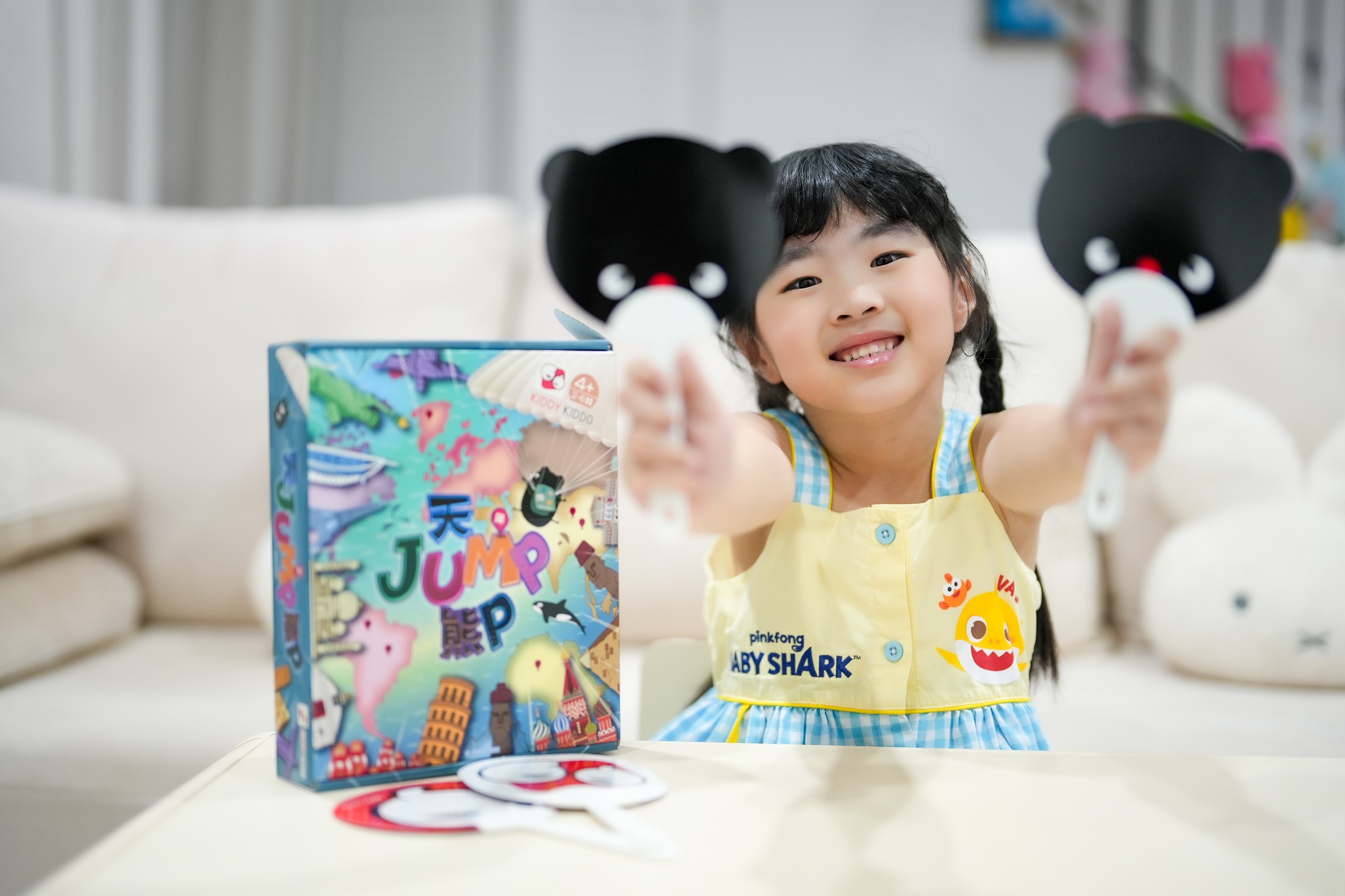
How Can Play Support Children's Emotional Development?
Play gives children opportunities to experience everyday situations, such as waiting, making decisions, making mistakes, or losing a game. Through these experiences, they can gradually learn how to understand and manage their feelings.
Learning to Wait and Take Turns
Playing with others helps children understand that they cannot always go first or get what they want immediately Waiting and taking turns are small but important skills that children can practice through simple family games.
Learning from Losing
Losing can be disappointing, but a supportive environment helps children gradually understand that it is okay to lose and that disappointment will pass.
Instead of asking, “Why did you lose?” parents can try asking, “How did you feel just now?” This gives children an opportunity to express their feelings.
Practicing Decision-Making and Building Confidence
Games allow children to make their own choices, such as deciding where to move, which card to choose, or which strategy to try as children see the results of their decisions, they gradually learn from their experiences and build confidence.
Board Games and Social & Emotional Skills
Board games are about more than rules and scores. They also create everyday opportunities for children to develop social and emotional skills.
Social Skills
Children practice communicating, listening, waiting, and playing with others.
Emotional Regulation
Children learn that happiness, sadness, excitement, and disappointment are all natural feelings, and that they can gradually learn to manage them.
Confidence
Making choices, trying new things, and solving problems independently help children discover, “I can do it!”
Kiddy Kiddo กับ Therapeutic & Inclusive Play
At Kiddy Kiddo, we believe that meaningful play does not have to be complicated. With a suitable game, family members, and a little time together, children can learn through real experiences.
The philosophy of Play, Learn & Grow Together is not only about learning from games. It is also about parents playing, talking, and growing alongside their children.
Kiddy Kiddo Board Games That Encourage Learning Through Play
CUPID – Practicing Observation and Playing Together
This cute animal-matching game creates a fun and friendly play experience. Children can practice observation, memory, and playing with others.
During the game, parents can also talk with their children about the characters or the feelings that come up while playing.
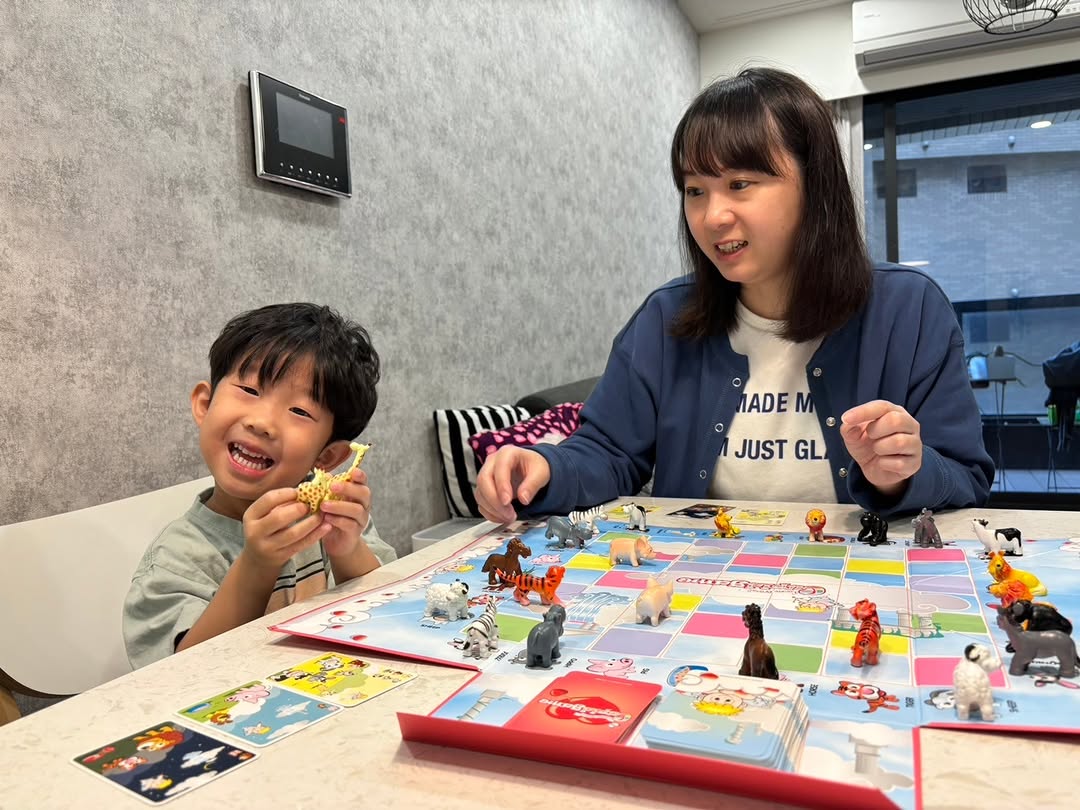
Noah’s Ark – Playing, Learning, and Communicating Together
This game introduces children to different animals through play while creating opportunities to practice thinking, planning, and communicating with other players.
Playing together can turn an ordinary moment into meaningful family time.
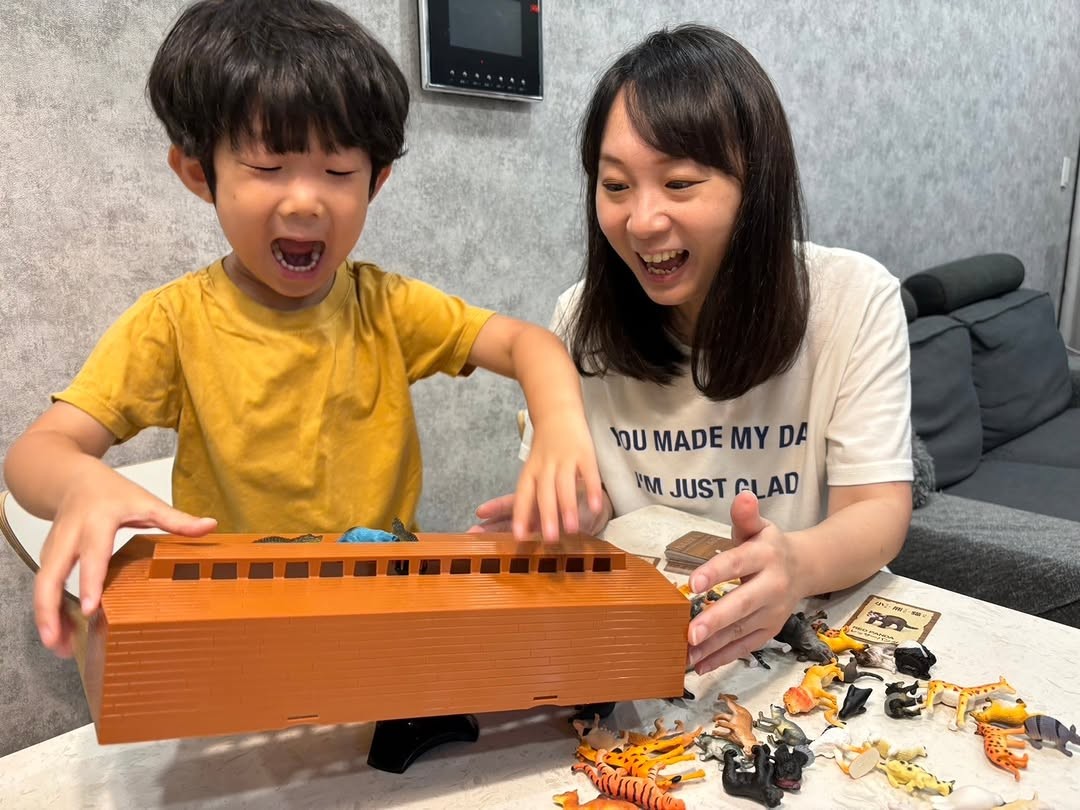
Frequently Asked Questions About Therapeutic & Inclusive Play
What Is Therapeutic Play?
Therapeutic play refers to play activities that give children opportunities to learn and express themselves through play, including emotional expression, social interaction, communication, and problem-solving. It does not necessarily mean medical treatment.
Can Board Games Help Children Develop Emotional Skills?
Board games can create opportunities for children to practice waiting, coping with losing, making decisions, and communicating. These experiences can support their social and emotional learning.
What Should I Do If My Child Cries After Losing?
You do not need to rush to stop your child from crying. Start by acknowledging their feelings, for example, “Are you feeling sad because you lost?” Then gently invite them to talk about what happened.
Can Board Games Replace Therapy?
No. Board games and play activities can support children's development, but they cannot replace professional therapy. If you have concerns about your child's development, emotions, or behavior, consult an appropriate professional.
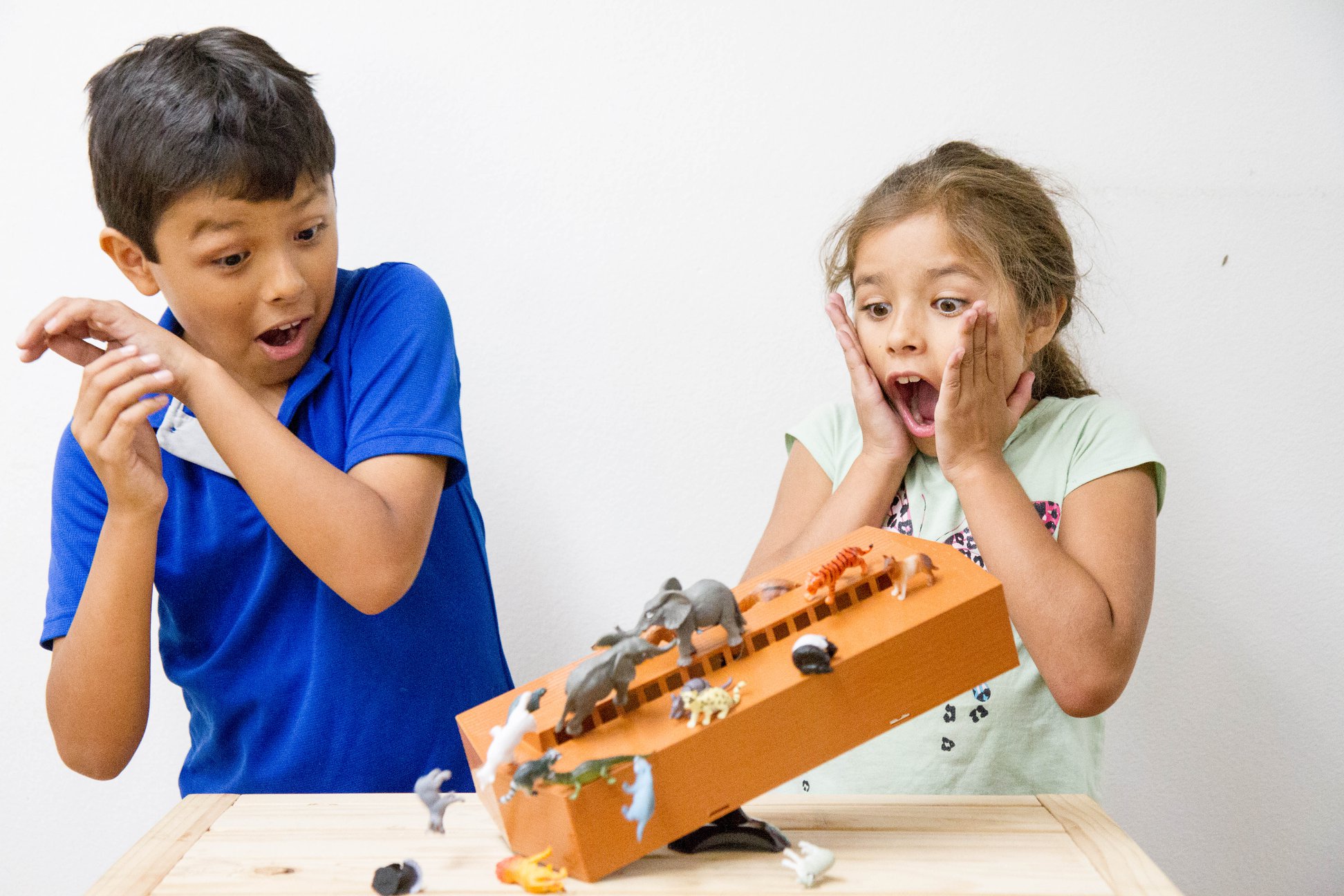
Sometimes, a Toy Can Be the Beginning of a Conversation
Sometimes, we do not need to ask our children, “How was your day?”
We can simply ask:
“Would you like to play?”
Small conversations may happen naturally during play.
Because play is not just children's time. It is also a chance for families to reconnect and be present with one another.
Play, Learn & Grow Together


 Wits
 Wits
 Wits
