Educational Board Games: How Play Supports Learning

Educational Board Games: How Play Supports Learning
In 2026, learning is no longer limited to classrooms or textbooks. Educational board games are gaining attention as learning tools that encourage children to learn through play, critical thinking, decision-making, and interaction with others.
Board games offer more than entertainment. When thoughtfully designed, they can help players develop essential skills such as analytical thinking, strategic planning, problem-solving, communication, and teamwork.
What Are Educational Board Games?
An educational board game is a game that combines learning content and skill development with rules, challenges, and gameplay. It allows players to learn through hands-on experiences rather than simply receiving information.
The key is not just to make a game fun, but to design it with clear learning objectives that match the players’ ages, abilities, and developmental needs.
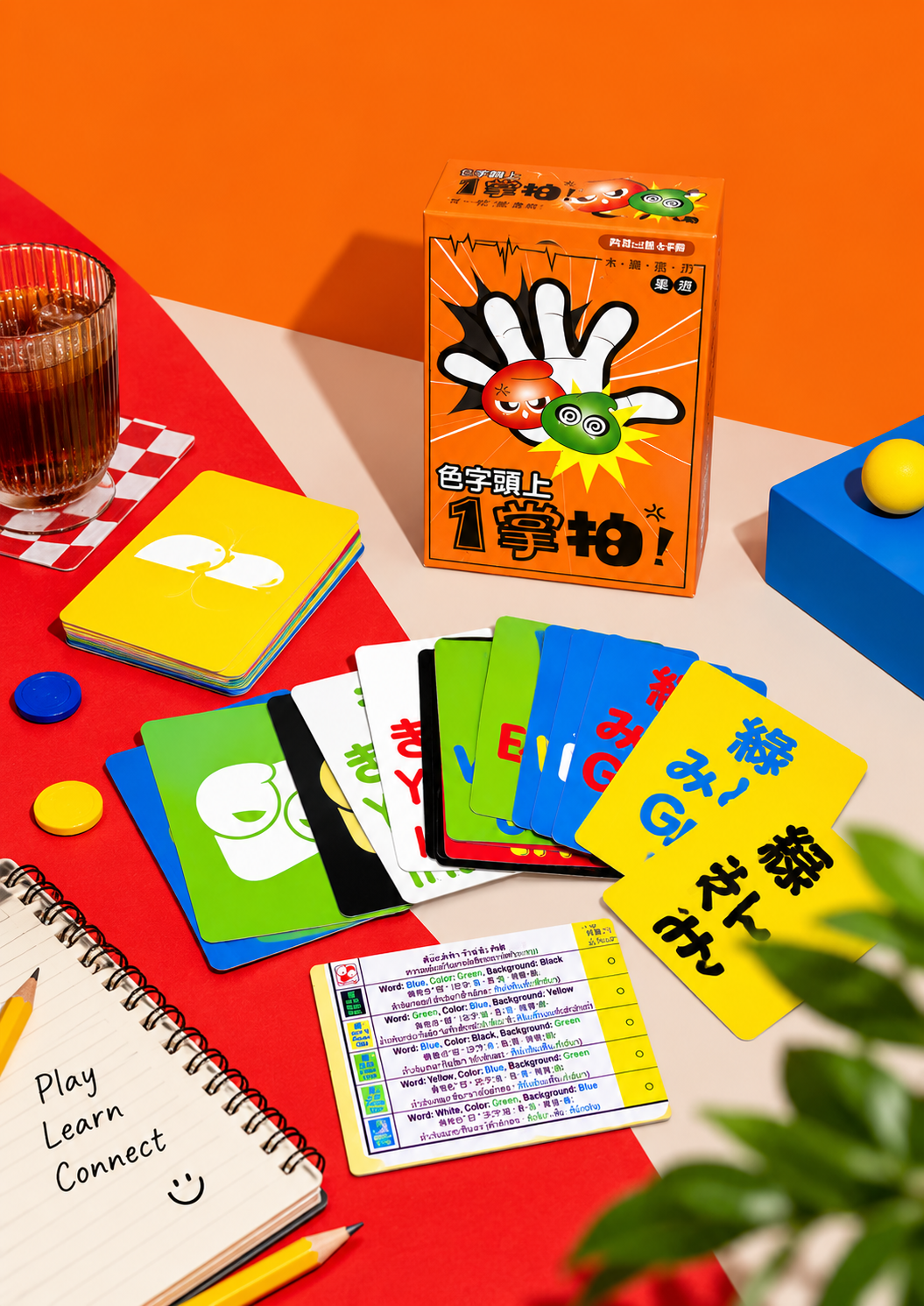
Key Elements of an Educational Board Game
- Clear learning objectives
- Age-appropriate content and difficulty
- Simple and easy-to-understand rules
- Opportunities for thinking and decision-making
- Connections between gameplay experiences and learning outcomes
Why Are Board Games Effective Learning Tools?
During gameplay, players actively participate instead of simply receiving information. They read instructions, remember rules, plan their moves, make choices, and learn from the outcomes of their decisions.
These activities can support the development of a range of important learning skills.
Developing Critical and Analytical Thinking
Players must evaluate information, consider different options, and choose an approach that best suits the situation.
Building Planning and Decision-Making Skills
Many board games encourage players to think ahead, anticipate possible outcomes, and evaluate their options before making a decision.
Strengthening Problem-Solving Skills
When players encounter obstacles, they must find solutions, adapt their strategies, and learn from the results.
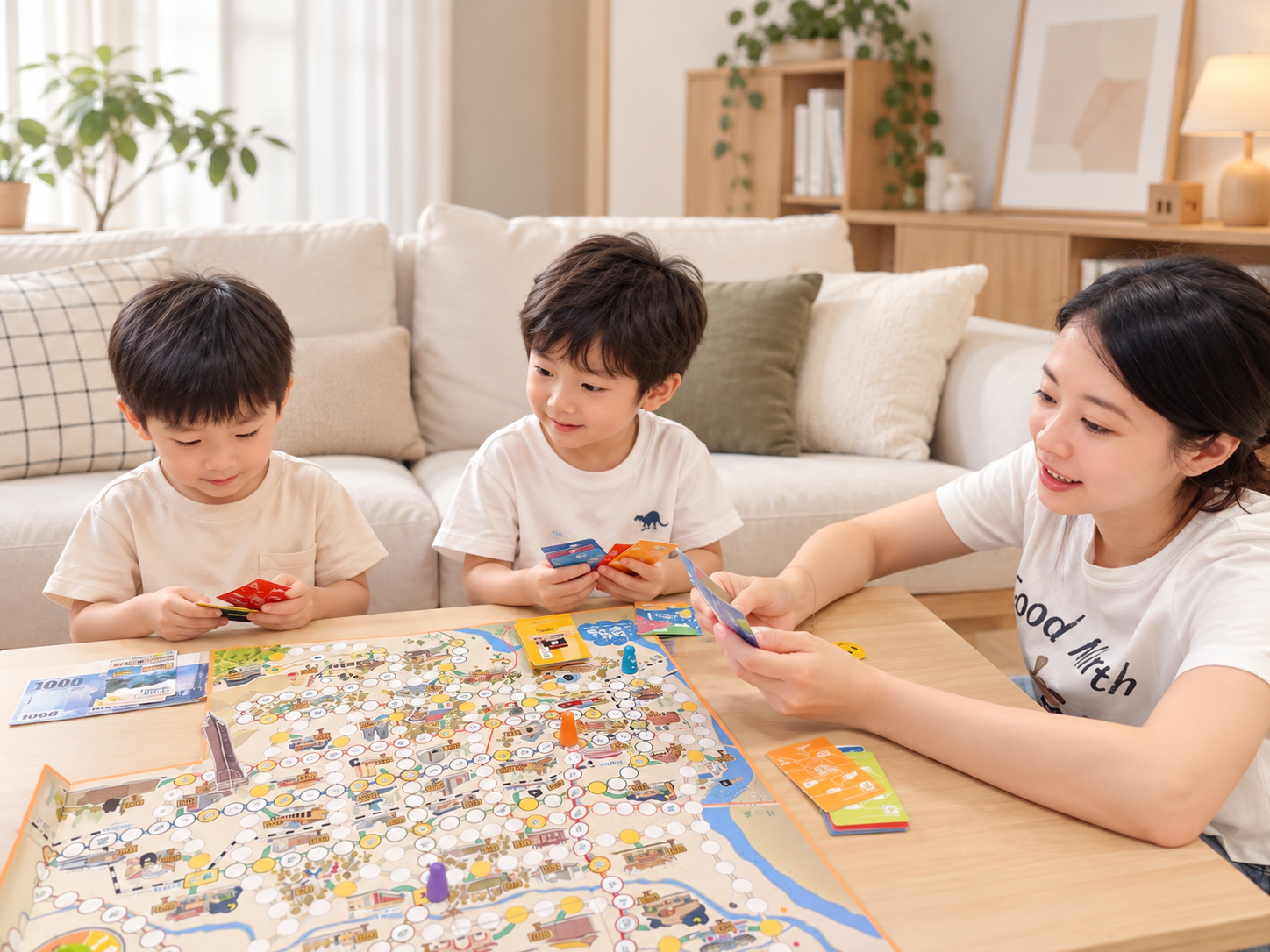
Educational Board Games and the Future of Learning in Thailand
In Thailand, board games are expanding beyond entertainment and becoming part of the conversation around educational media and learning innovation.
Educational activities and projects in Thailand have applied board games to a variety of learning areas, including Thai language, reading, mathematics, computational thinking, teamwork, and environmental awareness.
Where Can Educational Board Games Be Used?
- Classrooms
- Libraries
- Learning centers
- Skill-development activities
- Group activities
- Learning at home
- Family learning activities
The direction of educational board games in 2026 is no longer focused solely on creating games that are “fun” or “educational.” Instead, greater emphasis is being placed on designing meaningful experiences that encourage players to think actively and participate in the learning process.
“What does this game teach?”
Instead, we should ask:
“Who are the players?”
“What do we want them to learn?”
“How can the game encourage them to learn through active participation?”
Because Learning Can Begin with Play
When thoughtfully designed, board games can be much more than toys. Play creates opportunities for children to think, experiment, make decisions, communicate, and learn together with others.
At Kiddy Kiddo, we believe that meaningful learning does not always have to begin with a book. Sometimes, a great learning experience can begin with a simple question:
“Would you like to play together?”